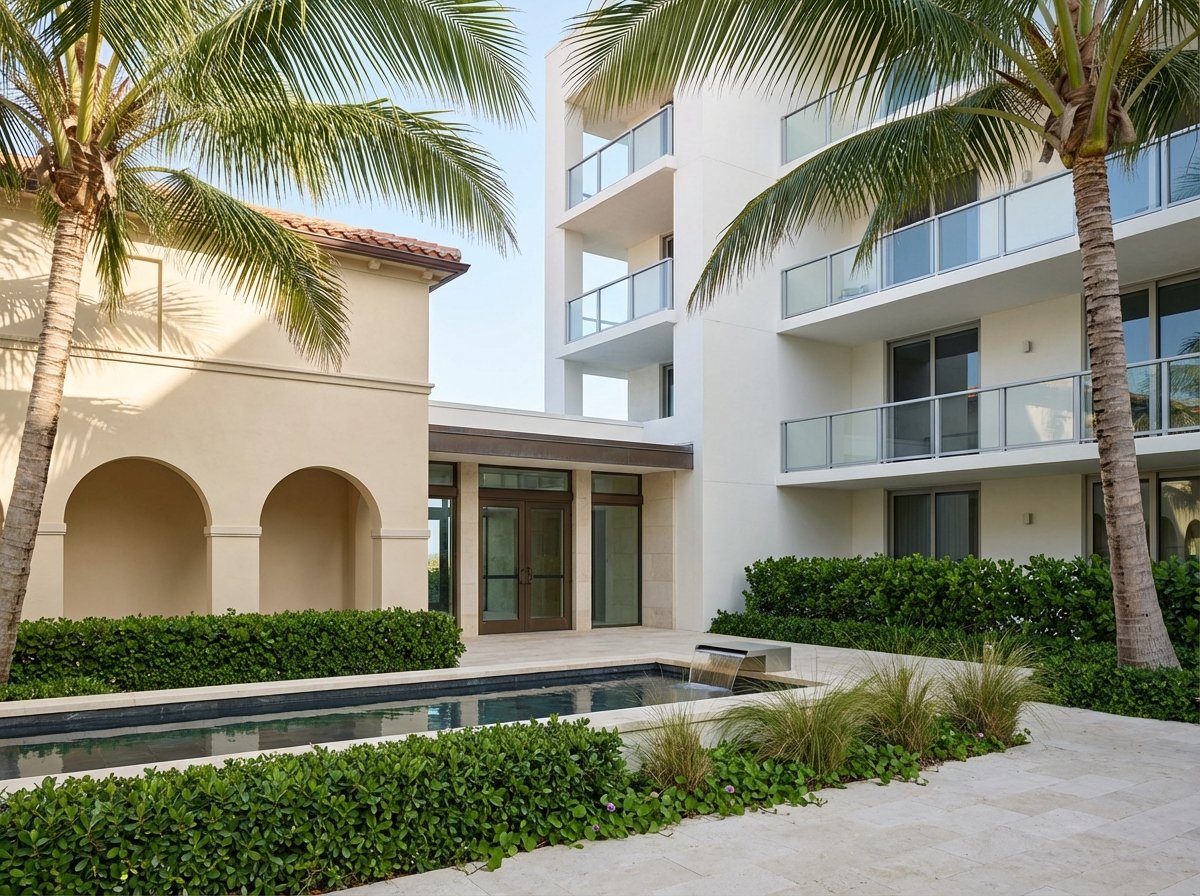
Staring at the Atlantic from A1A and wondering whether a condo or a co-op is the smarter way to own on the beach? You are not alone. In Palm Beach, both options can deliver ocean views and resort-level amenities, but the way you own, finance, and use the property is different. In this guide, you will learn the key differences, local rules that matter on the coast, and a simple checklist to help you compare buildings with confidence. Let’s dive in.
Quick look: Condo vs co-op in Palm Beach
What you own
A condominium gives you fee-simple ownership of your interior unit, plus a shared interest in the building’s common areas. Florida regulates condos under the Condominium Act, which defines your ownership rights and the association’s duties. You can review the law in Florida Statutes Chapter 718.
A cooperative is different. You buy shares in a corporation that owns the building and receive a proprietary lease to occupy a specific apartment. Your interest is personal property, not a deed to real property. Florida regulates co-ops under Chapter 719 of the Florida Statutes. Day to day, both forms operate through a board and community rules, but title, taxation notices, and financing work differently.
How financing works
Condo buyers typically use a conventional or jumbo mortgage. Lenders review the building’s eligibility, and approval through processes like Fannie Mae’s Project Eligibility Review Service can make financing more straightforward when the project is approved. Learn about the process in Fannie Mae’s PERS guidance.
Co-ops are commonly financed with specialized share loans. Instead of a mortgage on real property, you pledge your stock and proprietary lease as collateral. Fewer lenders offer standardized products, and terms can be stricter. Lenders may require recognition or subordination agreements from the co-op. For an overview of how stock co-ops work, see this explainer on share-based cooperative ownership.
Taxes, fees, and the closing process
With condos, you usually receive your own property tax bill and pay taxes and your mortgage directly. Association dues cover shared costs such as common-area maintenance, master insurance, management, and reserves, consistent with Florida’s Condominium Act.
Many co-ops pay property taxes and any corporate mortgage at the building level, then include each shareholder’s share in the monthly maintenance. Assessment and tax treatment for cooperative parcels are discussed in Florida’s Cooperative statute. Because a condo sale is a real estate deed transfer and a co-op sale is a transfer of corporate shares and a proprietary lease, your closing line items and paperwork will differ. Ask for a sample closing statement early so you know what to expect.
Governance, approvals, and building safety
Board approvals and timelines
Many co-ops use formal approval processes. Expect a financial review and, in some cases, interviews or reference checks. Condos may also have review steps, but the scope depends on the building’s governing documents and state law. If timing matters to you, plan for a longer approval window with many co-ops.
SIRS and milestone inspections
Florida now requires milestone structural inspections and Structural Integrity Reserve Studies for condominium and cooperative buildings that are three stories or higher. These reports identify structural needs and ensure adequate long-term reserve funding. Associations must maintain and share the reports with prospective buyers on defined timelines. You can review DBPR guidance in the state’s condominium and cooperative FAQs.
For oceanfront buildings, these requirements are critical. Outcomes can lead to large special assessments, association loans, or higher monthly dues. Ask whether the building has completed the inspection and SIRS, request the reports, and review any planned structural work and funding sources.
Insurance, flood, and coastal systems
Oceanfront ownership means wind, hurricane, and flood considerations. Standard homeowners policies do not cover flood. Lenders may require NFIP or private flood policies, and association master policies carry specific hurricane deductibles and coverages. Palm Beach County updated FEMA flood maps effective December 20, 2024, and many eastern parcels saw changes in base flood elevation that can affect insurance costs. Review the county’s summary of flood zone updates, request the association’s insurance summary, and ask for any available elevation data.
If a property relies on seawalls or beach nourishment, investigate maintenance responsibilities and permit history. Check association minutes and county records for prior emergency repairs, coastal permits, or pending projects, since these can affect future assessments.
Lifestyle, rentals, and resale
Amenities and service levels
Palm Beach offers a spectrum of oceanfront living. Some buildings are full-service with staff, valet, and resort-style amenities. Others are more intimate with lower carrying costs. Co-ops remain part of the oceanfront landscape along South Ocean Boulevard and in select areas near Worth Avenue. Properties such as the Royal Saxon illustrate that co-ops are active in the market, as seen in recent Royal Saxon co-op activity. Legacy buildings like Ambassador II highlight the presence of established co-ops in the town’s housing mix, as reported in local news coverage.
When comparing, look beyond the pool and gym. Review staffing levels, guest and delivery procedures, the capital plan for major systems, and the daily convenience each building offers. These factors can shape your experience and your monthly costs.
Rental policies and personal use
If you plan to rent the unit seasonally or occasionally, study the building’s leasing rules. Co-ops often have stricter limits on subletting and may restrict short-term rentals. Condos commonly allow leasing subject to association rules, and some also limit short-term stays. Confirm minimum lease terms, any rental caps, and local registration rules before you buy.
Resale and liquidity
Condos typically attract a wider buyer pool because financing can be easier, especially when the project is approved through processes like Fannie Mae’s project review. Co-ops can trade more slowly due to financing limits and transfer procedures. That said, Palm Beach has a high share of cash buyers at the luxury level, which can narrow the gap in certain segments. Your resale timeline will hinge on the building’s condition, assessment outlook, fees, and overall desirability.
Due diligence checklist for oceanfront buyers
Use this quick list when you request an association package or prepare an offer:
- Ownership type and docs: Confirm whether the building is a condominium or a cooperative. Request the declaration, bylaws, rules, and recent budget. For condos, see reference material in Florida Statutes Chapter 718.
- Structural reports: Ask for the milestone inspection summary and the Structural Integrity Reserve Study. Review open items, timelines, and planned funding. See DBPR’s SIRS and milestone FAQs.
- Insurance and flood: Request the master policy summary, hurricane deductibles, and flood coverage details. Verify the address’s FEMA flood zone using the county’s flood zone update resources.
- Financial health: Review the last 2 to 3 years of association financials, reserve balances, delinquency rates, litigation disclosures, and minutes discussing capital projects. For co-ops, ask if there is an underlying mortgage and how costs are allocated under Chapter 719.
- Rental rules: Confirm minimum lease terms, any rental caps, and short-term restrictions that affect your use or income plan.
- Financing path: If you plan to finance, ask whether the condo project has completed a lender project review such as Fannie Mae’s PERS. For co-ops, identify lenders that offer share loans and ask the board about required recognition agreements.
- Coastal infrastructure: Request records on seawalls, shoreline improvements, and prior emergency work. Check county permits and association minutes for coastal projects or orders.
- Upcoming projects and assessments: Ask about planned facade, concrete restoration, roof or mechanical work tied to the SIRS. Clarify how the work will be funded and any phased assessment schedule.
Which option fits your goals?
- Choose a condo if you want broad financing options, generally easier resale, and more flexibility for leasing or remodeling within association rules.
- Choose a co-op if you value a closely managed community with more board oversight and are comfortable with share-loan financing or paying cash. Co-ops can offer prime locations and full-service living at certain price points.
- For oceanfront addresses in Palm Beach, prioritize building safety and financial strength over ownership form. Completed milestone inspections, a realistic SIRS, strong reserves, and clear insurance coverage will matter most for your peace of mind.
Buying on the ocean should feel exciting and uncomplicated. If you would like a curated list of Palm Beach and South County buildings that fit your lifestyle and risk tolerance, reach out to Richard Lemon for concierge guidance, vetted building packages, and on-the-ground insight.
FAQs
What is the main legal difference between a Palm Beach condo and a co-op?
- A condo gives you a deed to real property under Florida Statutes Chapter 718, while a co-op gives you corporate shares plus a proprietary lease under Chapter 719.
How do loans differ for condos versus co-ops in Palm Beach?
- Condo buyers often use conventional or jumbo mortgages and may benefit from project approvals like Fannie Mae’s PERS; co-op buyers usually use share loans backed by stock and a proprietary lease.
Do monthly fees work the same in condos and co-ops on the oceanfront?
- Condo dues usually cover building expenses, while you receive a separate property tax bill; many co-op maintenance charges include a pro rata share of property taxes and any underlying co-op mortgage.
What should I review about building safety before buying on the beach?
- Ask for the milestone inspection report and the Structural Integrity Reserve Study, which Florida requires for 3-plus story buildings. DBPR’s FAQ page explains the rules.
How do new FEMA flood maps affect Palm Beach oceanfront ownership?
- Palm Beach County’s 2024 flood map updates changed many parcels’ designations, which can influence insurance requirements and costs. Review the county’s flood zone update overview and request building insurance summaries.
Are co-ops common in Palm Beach, or is it all condos?
- Co-ops are part of the local mix, especially along South Ocean Boulevard and near Worth Avenue. Examples include Royal Saxon and Ambassador II, reflected in market activity and local reporting.